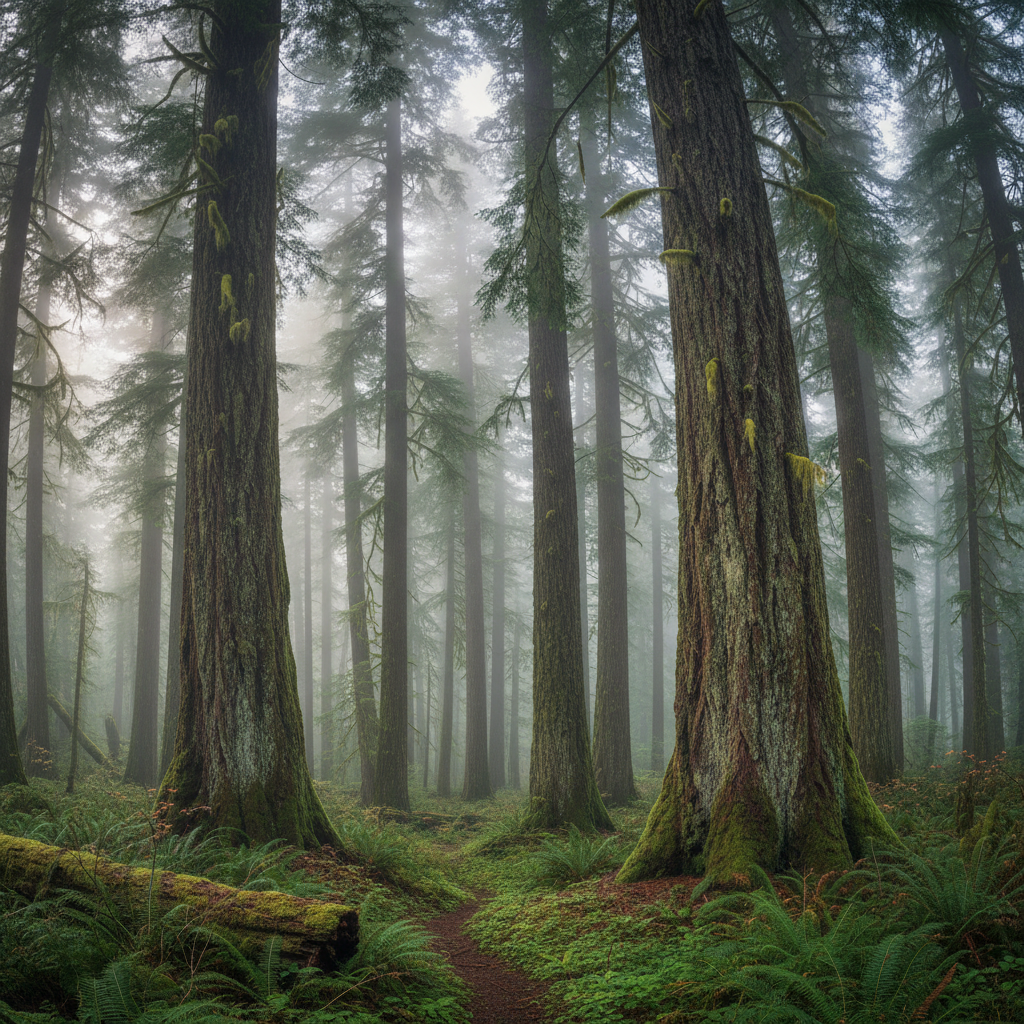
Ancient old-growth forest in the Pacific Northwest with towering Douglas firs disappearing into morning mist

Pacific Northwest · Est. 2009 · 200 Acres Old-Growth

Where teenagers
earn their ground.

A semester school carved into old-growth forest. Students read rivers, build shelters from standing deadwood, and navigate unmarked ridgelines by starlight — all while earning full academic credit.

Scroll

For Parents & Guardians

The questions you're
afraid to ask out loud.

We've been asked every version of every fear. These are the real ones — answered without deflection.

Every expedition carries a certified Wilderness First Responder and a satellite communication device. Our response protocol for acute anxiety has been refined over 200+ field seasons — we've never had an emergency evacuation that wasn't completed within four hours.

All lead instructors hold WFR certification (80-hour course, renewed every two years). Each group of 6–8 students has one lead and one assistant instructor. Our mental health protocol was co-developed with Dr. Priya Nair, a licensed clinical psychologist specializing in adolescent anxiety. Students with documented anxiety disorders complete a pre-semester phone consultation with Dr. Nair's team. The protocol includes graduated exposure planning, a student-identified 'ground signal' (a private word or gesture that initiates a quiet check-in), and a 72-hour re-entry plan if a student needs to step back from the group temporarily. Full protocol document available in the Parent Handbook.

Yes. Wilds holds regional accreditation through the Northwest Accreditation Commission. Credits are accepted at 94% of four-year universities that have reviewed our transcripts.

NWAC Accreditation Certificate #WS-2009-0047 (renewed 2024, valid through 2028). Curriculum is aligned to Common Core State Standards for English Language Arts and Mathematics, and to Next Generation Science Standards for our environmental science coursework. Students receive official transcripts on Wilds letterhead. We recommend families contact their home district in advance — our admissions team has a letter template and a direct contact at the NWAC office for district liaisons. 11 states have formal articulation agreements with Wilds; contact admissions for your state's status.

1:4 on technical terrain (river crossings, high-elevation routes). 1:6 on established trail systems. We never exceed 1:8 under any circumstances.

Lead instructors hold a minimum of: WFR certification, 500+ logged field days, 3 professional references from prior expedition leadership roles, and a background check renewed annually. Assistant instructors hold WAFA (Wilderness Advanced First Aid) minimum. Our hiring committee includes two former students who are now adults — they interview every instructor candidate. Average lead instructor has 8.3 years of field experience with adolescent groups. Full staff roster with credentials is published in the Parent Handbook and updated each semester.

The full semester is $18,400, which includes all gear, food, lodging in our base camp structures, and academic instruction. Financial aid covers up to 60% for qualifying families.

Tuition: $12,800. Room and board (base camp): $3,200. Gear provision (full kit, yours to keep): $1,800. Wilderness medicine supplies fee: $400. Families are asked to bring: sleeping bag rated to 15°F, personal clothing, and broken-in hiking boots. We maintain a gear lending library for families who cannot purchase these items. Financial aid applications open January 15 each year. We award approximately $340,000 in aid annually across 38–42 students. Aid decisions are need-blind with respect to admission.

Most of our students arrive with zero wilderness experience. We expect that. The semester is structured so that no prior skills are required — only willingness.

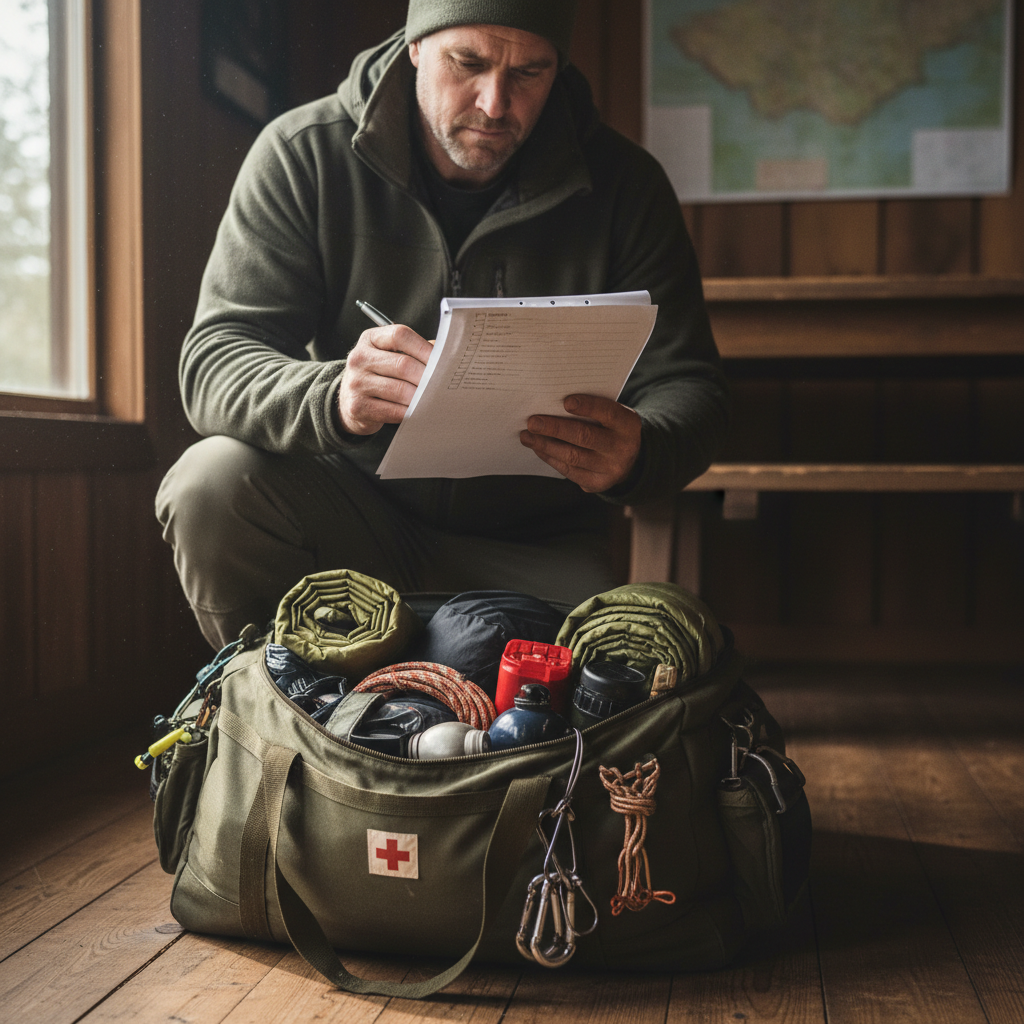
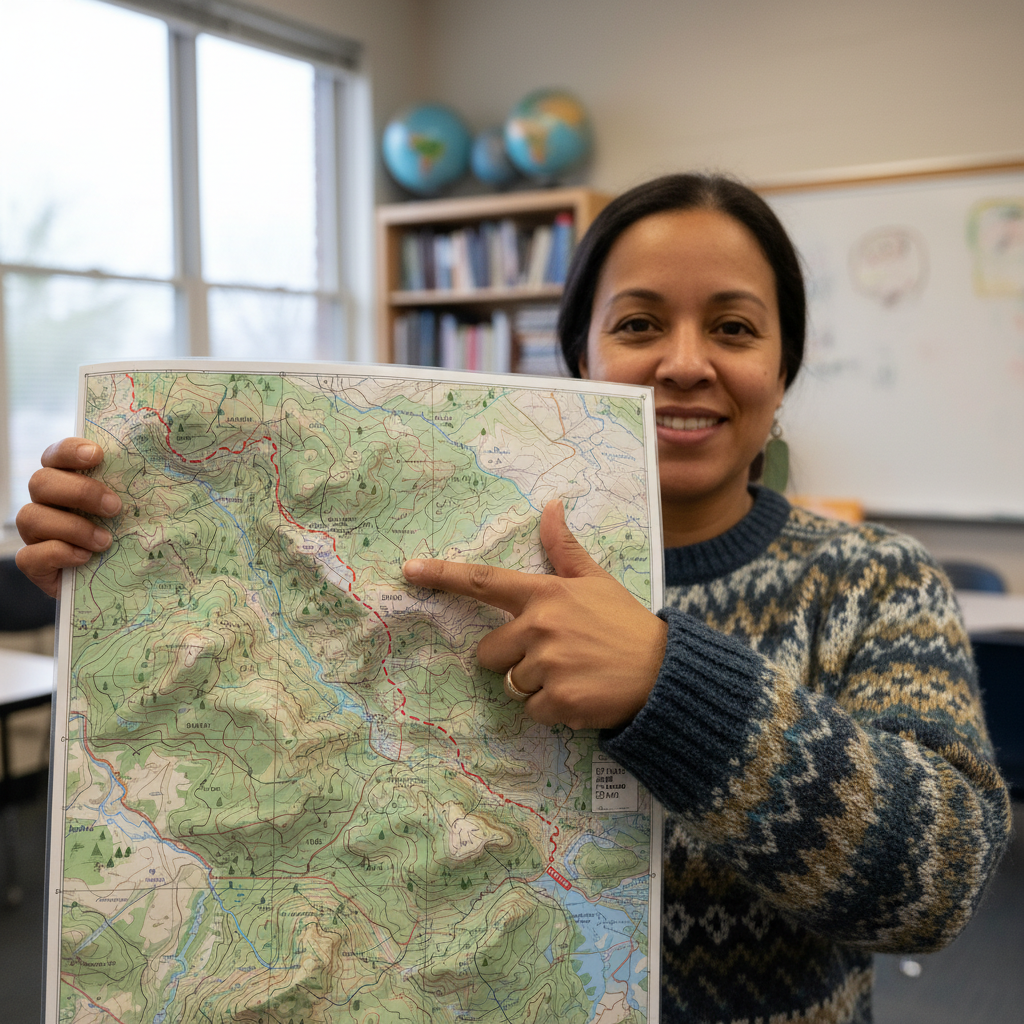
Week one is entirely on-campus. Students learn fire-making, knot-tying, map reading, and water purification in a controlled environment before any overnight travel. We use a 'competency ladder' model — students demonstrate each skill to a peer before using it independently in the field. Students who arrive with prior camping experience are paired with newer students as 'skill anchors' during the first expedition, which benefits both. No student has ever left the first week feeling behind.

Download the Parent Handbook

68 pages. Every protocol, every credential, every answer we've been asked in 15 years of operation. No sales language.

We don't share your information. You'll receive one email with the PDF.

Still have questions?

Book 30 minutes with a lead instructor — real availability, no sales team.

Request a Call

For Prospective Students

Your days won't
look like theirs.

Honest answers about what it's actually like — the hard parts, the boring parts, and the parts you'll describe to people for the rest of your life.
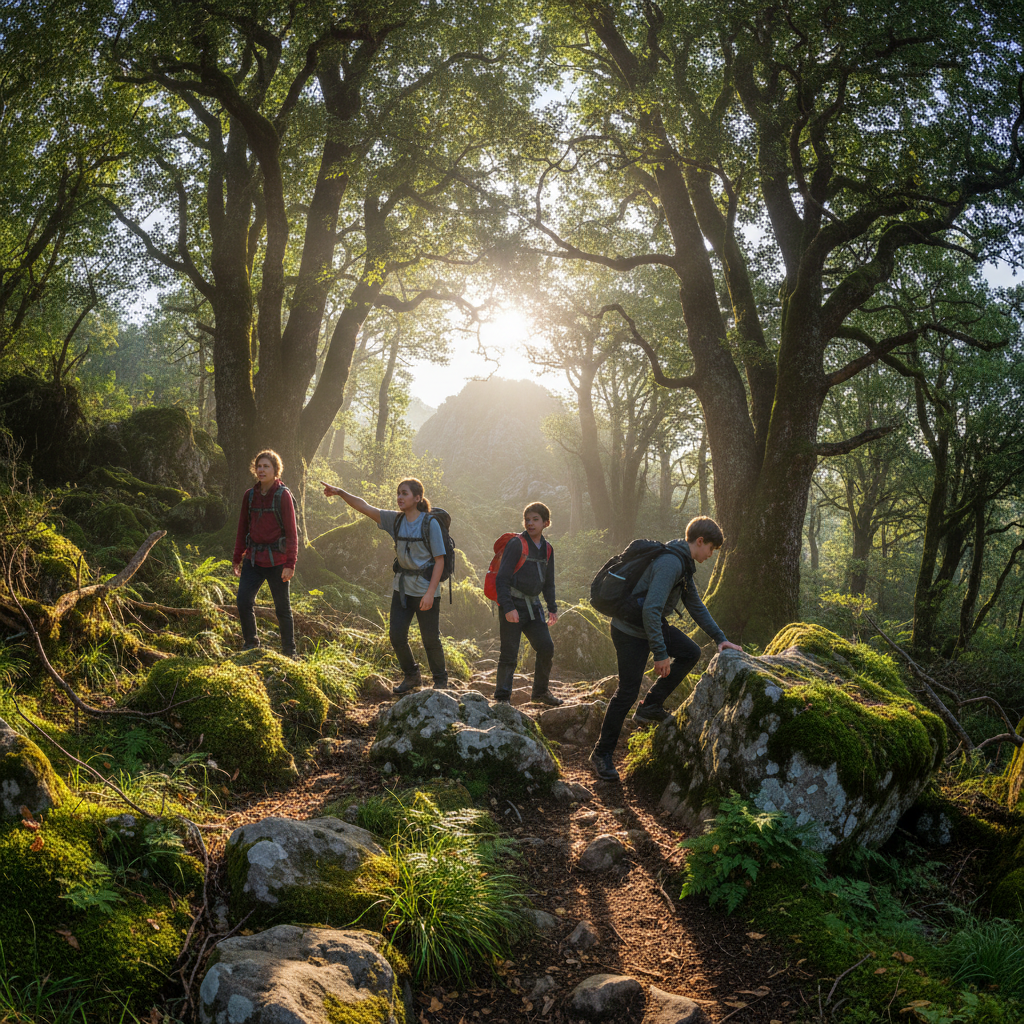
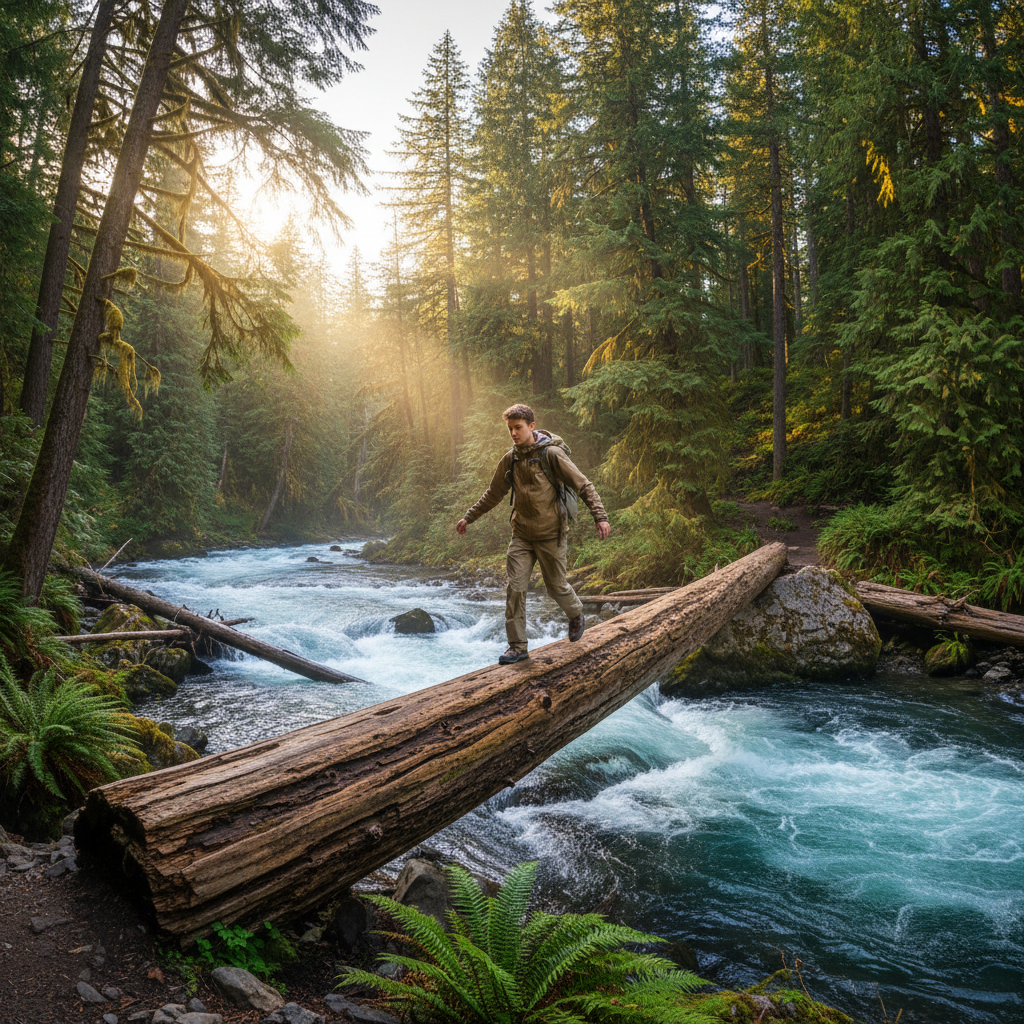
Teenagers navigating a rocky trail through old-growth forest, backpacks visible, morning light filtering through canopy

Day 22

"Found my bearing without the compass. Didn't tell anyone for an hour."

38–42

students per semester

15+

years operating

1:4

technical terrain ratio

94%

credit transfer rate

There's no typical day. But there is a rhythm: morning check-in at first light, field work until midday, academic instruction in the afternoon, a community fire after dinner. On expedition weeks, the rhythm moves with the terrain.

Base Camp Week: 6:00am wake, 6:30 morning practice (journaling or movement), 7:00 breakfast, 8:00–12:00 field skills (varies by week: navigation, water systems, plant identification, shelter construction), 12:30 lunch, 1:30–4:00 academic block (math, writing, environmental science), 4:00–6:00 free time/independent projects, 6:30 dinner, 7:30 community fire and evening reflection. Expedition Week: schedule is determined by terrain, weather, and group pace. Academic work is integrated into field activities — river hydrology IS the math lesson.

It happens. We don't pretend otherwise. Group dynamics are part of the curriculum — not a problem to be managed away, but something you learn to navigate the same way you learn to navigate a ridgeline.

Each group establishes a 'community agreement' in week one — written by students, not staff. Conflicts are addressed through structured peer mediation before any instructor intervention. Students learn a four-step communication framework (adapted from Nonviolent Communication) in the first two weeks. In 15 years, we've had two students leave mid-semester due to irreconcilable group conflict — both situations involved factors present before arrival that weren't disclosed during the admissions process. We do not separate students from the group as a default response to conflict.

We turn around. No summit, no river, no ridgeline is worth a student. Our field staff are trained to make that call without ego — and students learn to recognize those conditions themselves.

All lead instructors are trained in NOLS' Decision-Making in the Field curriculum. We use a Go/No-Go checklist that students help complete before any technical objective. Lightning: we establish a 30-minute rule from last strike — if any thunder in 30 minutes, we are off exposed terrain. Flash flood: we identify and sleep above flood lines every night, no exceptions. Hypothermia: we carry full emergency bivy kits for every student. Students who experience genuine fear in a weather situation are never pressured to continue. The curriculum explicitly teaches that retreating is skilled decision-making.

Students consistently test above grade level in writing and environmental science after a semester. Math progress depends on incoming level and effort — most students maintain pace, some advance.

From our most recent accreditation review (2024): 87% of students who completed a semester rated their academic preparation for the following year as 'better' or 'significantly better' than before. Writing scores (assessed via NWAC portfolio rubric) improved an average of 1.4 grade levels. Environmental science content is college-level for motivated students. Mathematics is individualized — each student works with our math instructor to establish a personal progression plan in week one. We have had students complete AP Calculus material during a semester; we have also had students solidify foundational algebra. Both outcomes are valid.

Not into the field. Phones are stored at base camp and accessible during one designated window per week. Most students stop thinking about this by day ten.

We are not anti-technology. We are pro-attention. The research on adolescent attention and phone use is unambiguous — constant connectivity degrades the capacity for sustained observation, which is the core skill we teach. Students keep a written journal throughout the semester; many describe it as the first time they've written anything longer than a text. Phone time (45 minutes, Sunday evenings) is for family contact. Social media access is not available at base camp. Students who arrive resistant to this policy almost universally report by mid-semester that the absence has been the most valuable part of their experience.

For Educators & Counselors

The documentation
you actually need.

We've worked with 34 districts and dozens of clinical teams. These are the questions that come up in every partnership conversation.

For many students, yes — but we are not a therapeutic program and we don't position ourselves as one. We work alongside clinical teams, not as a replacement for them.

We accept students with documented diagnoses including anxiety disorders, depression, ADHD, and mild autism spectrum presentations, provided they are stable on any prescribed medications and have a clinical team that will remain engaged during the semester. We require a clinical release form and a pre-enrollment call between our lead instructor and the student's primary therapist. We do not accept students who are actively suicidal, in acute psychosis, or who require daily clinical monitoring. Our field staff are trained in adolescent mental health first aid but are not licensed therapists. We provide weekly written field observations to clinical teams upon request.

Our curriculum is mapped to CCSS for ELA and Math, and to NGSS for science. We provide alignment documentation for every state we've worked with.

We maintain active curriculum maps for 23 states. ELA alignment: students complete a minimum of 40 hours of writing instruction per semester, including argumentative, narrative, and technical writing. Math alignment: individualized progression plans ensure students meet or exceed grade-level standards. Science alignment: our environmental science curriculum covers Earth Systems, Ecosystems, and Engineering Design at a depth that typically exceeds standard coursework. Copies of all curriculum documents are available upon request — contact curriculum@wildsschool.edu. We have completed formal articulation reviews with 11 state education departments.

We've worked with 34 districts across 9 states. Partnerships range from single-student placements to cohort enrollments of 6–8 students from the same district.

Model A (Individual Placement): district identifies a student, we conduct a joint admissions review, district receives weekly progress reports and a full academic transcript. Cost is standard tuition minus applicable aid. Model B (Cohort Partnership): district enrolls 4–8 students as a cohort, receives dedicated communication channel with our academic director, and participates in a mid-semester site visit. Cohort pricing is $16,200 per student. Model C (Curriculum Integration): district sends a teacher-of-record to spend two weeks embedded in our program, returning with a documented outdoor education curriculum for use in the home district. We have partnership agreements with Seattle Public Schools, Portland Public Schools, and Boise School District, among others. Contact partnerships@wildsschool.edu.

You'll receive an enrollment confirmation, a mid-semester narrative report, and a full academic transcript at semester's end. Field incident reports are shared within 24 hours of any reportable event.

All records management is FERPA-compliant. We maintain a secure portal for authorized educators to access student records. Narrative reports are written by the student's primary instructor and average 800–1,200 words — they describe academic progress, social development, and specific field accomplishments. We do not use standardized rubrics for narrative reports because we find they obscure more than they reveal. Transcripts are issued on NWAC-accredited letterhead and include course titles, credit hours, and letter grades. Incident reports follow a standardized format developed with our legal counsel and are transmitted via encrypted email within 24 hours.

Ready to start a partnership conversation?

Our partnerships director, Tomás Reyes, has 12 years of experience working with district administrators and clinical teams. He responds to every inquiry personally within two business days.

The People Behind It

Who you're actually
trusting your kid with.

Our staff aren't guides who became teachers or teachers who became guides. They're people who've spent careers at the intersection — and who know the difference between challenge and recklessness.
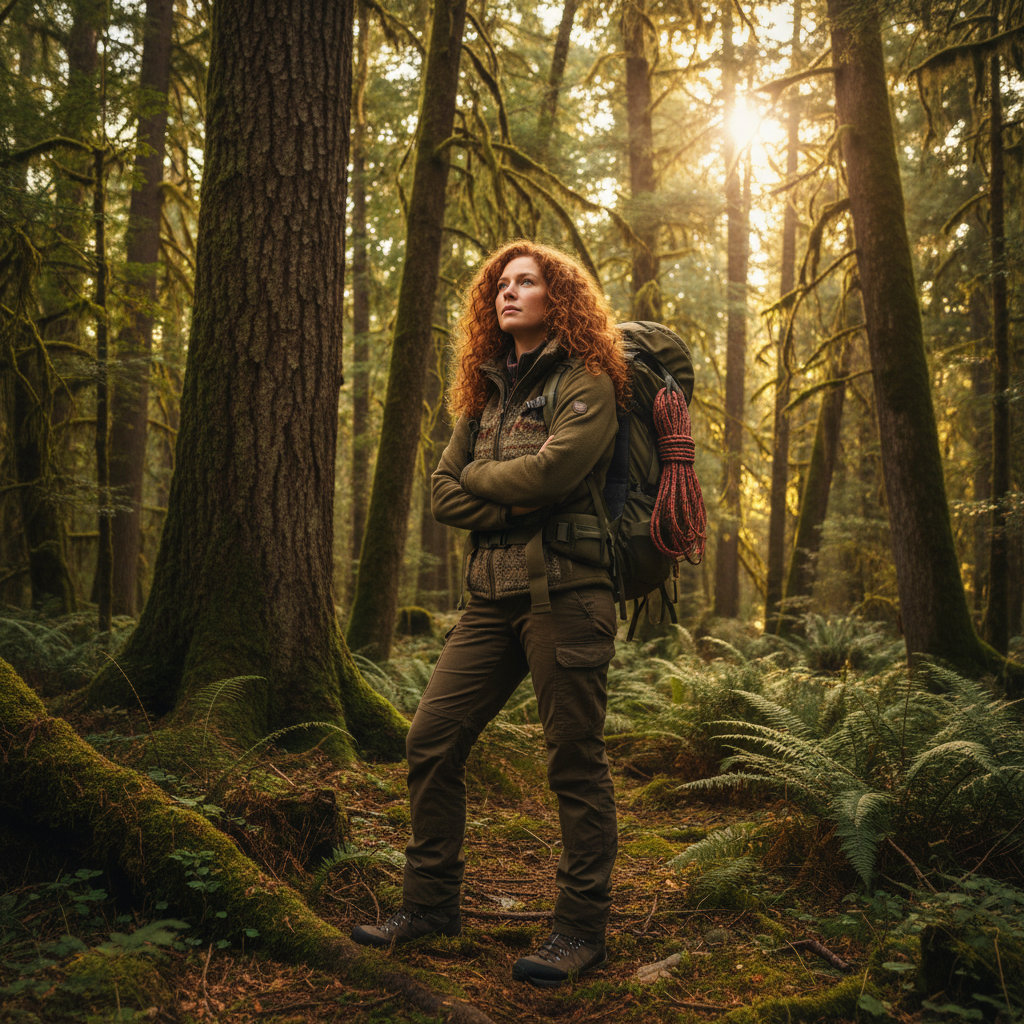
Maren Hollis, lead wilderness guide with curly auburn hair, outdoors in forest setting

Maren Hollis

Lead Guide, 11 seasons

WFR · NOLS Instructor · M.S. Environmental Education

"The river doesn't care how you feel about it. That's the lesson."

Tomás Reyes, partnerships director with dark hair, professional outdoor setting

Tomás Reyes

Partnerships Director & Instructor

WAFA · Former NOLS Instructor · B.A. Education

"Every district that's hesitated eventually called back."

Dr. Priya Nair, clinical psychologist with dark hair, warm professional expression

Dr. Priya Nair

Clinical Consultant

Licensed Clinical Psychologist · Adolescent Anxiety Specialist

"Exposure to real consequence, with real support, is the treatment."

The Land

Wilds operates on 200 acres of leased old-growth forest in the unceded territory of the Cowlitz Indian Tribe. We acknowledge this land with gratitude and recognize the Cowlitz people's ongoing relationship with these forests, which predate any institution by thousands of years. A portion of each semester's tuition supports the Cowlitz Tribe's land stewardship fund.

Founded 2009

Wilds was founded by two former NOLS instructors who believed that accredited academics and genuine wilderness challenge weren't mutually exclusive. In 15 years, 847 students have completed a semester. 94% report it as a turning point. We've never had a serious field injury. We've had many students who arrived skeptical and left changed.

Request a Call

Speak with an instructor,
not a recruiter.

The people who answer these calls are the same people who'll be in the field with your child. Real availability. No sales script.

Available This Week

30 min · Zoom or phone

Mon Feb 24

9:00am PST

Maren Hollis

2 spots remaining

Tue Feb 25

2:00pm PST

Tomás Reyes

1 spot remaining

Thu Feb 27

10:00am PST

Maren Hollis

3 spots remaining

Fri Feb 28

4:00pm PST

Tomás Reyes

2 spots remaining

Can't find a time that works? Email admissions@wildsschool.edu — we respond within one business day.